Style Lasts Longer Than Fashion
Fashion moves at a relentless pace. One week, a certain denim cut rules every feed. The next, it’s gone, swapped for the next big thing. For many men, keeping up can feel like a full-time job. Yet the most memorable dressers rarely spend their lives chasing every new arrival. Instead, they focus on something far more lasting: knowing what suits them.
Then there is fit, which matters more than almost anything else.
Look around any city street, airport lounge or neighbourhood café and a pattern quickly emerges. The same oversized silhouettes, the same trainers, the same carefully curated colour palettes appear again and again. Trends travel fast. Within a fortnight, the same cargo trousers are appearing on streets in Seoul, Stockholm and Shoreditch. Which is fine until everyone you know is wearing the same thing and nobody looks like anyone in particular.
Stop Dressing for the Trend Cycle
That’s the point where personal style and fashion stop being the same conversation. Trends can introduce new ideas and fresh perspectives, but they do not automatically make someone look better dressed. More often, they simply make someone look current. It matters, because the thing that feels sharp today can look tired before you’ve even worked out why.
“Your clothes start to feel useful again, instead of something you fuss over. Getting dressed feels less like following instructions and more like expressing a point of view.”
The best wardrobes all share a secret: they’re consistent without being predictable. Not in the boring sense, but in the sense that you can usually tell, at a glance, that the person wearing them has made actual decisions. Rather than asking what everyone else is wearing, stylish men tend to ask a different question: what works for my lifestyle, my build and my personality? It sounds like a small adjustment. It isn’t.
Instead of constantly reacting to the latest trend cycle, you begin making more deliberate choices. Your clothes start to feel useful again, instead of something you fuss over. Getting dressed feels less like following instructions and more like expressing a point of view.
Build from the Basics
The foundation of that approach is rarely complicated. It often starts with pieces that perform quietly in the background. A white T-shirt that doesn’t go boxy after three washes. Trousers that don’t need context to work: café, office or somewhere in between. A jacket that fits across the shoulders without anyone having to tell you it does. Footwear versatile enough to move between different settings without feeling out of place.
You won’t see these pieces splashed across headlines or sparking overnight queues at stores. They are the pieces that repeatedly earn their place in a wardrobe because they simply work.

Why Fit Matters More Than Fashion
Then there is fit, which matters more than almost anything else. Yet oddly, it’s the one thing men ignore while obsessing over logos, colours or whatever trend is peaking this week. A perfectly balanced fit creates confidence without drawing attention to itself.
Sleeves should finish where they naturally belong. Shirts should follow the body rather than fight against it. Trousers should fall cleanly without excess fabric gathering around the shoes. When proportions feel right, even the simplest outfit gains a sense of purpose.

Colour demands restraint. Stick to navy, charcoal, black and earth tones, and your wardrobe will thank you. You can get dressed in the dark because the pieces naturally cooperate.
This does not mean avoiding colour altogether. It simply means using it with intention. A touch of contrast can bring an outfit to life, but the overall result should feel considered rather than random. The outfits that stick in your mind usually look effortless, but they’re never accidental.
Create a Signature, Not a Costume
Interestingly, repetition often plays a larger role in style than many people realise. Men whose wardrobes are instantly recognisable are not reinventing themselves every morning. They are refining a familiar idea over time.
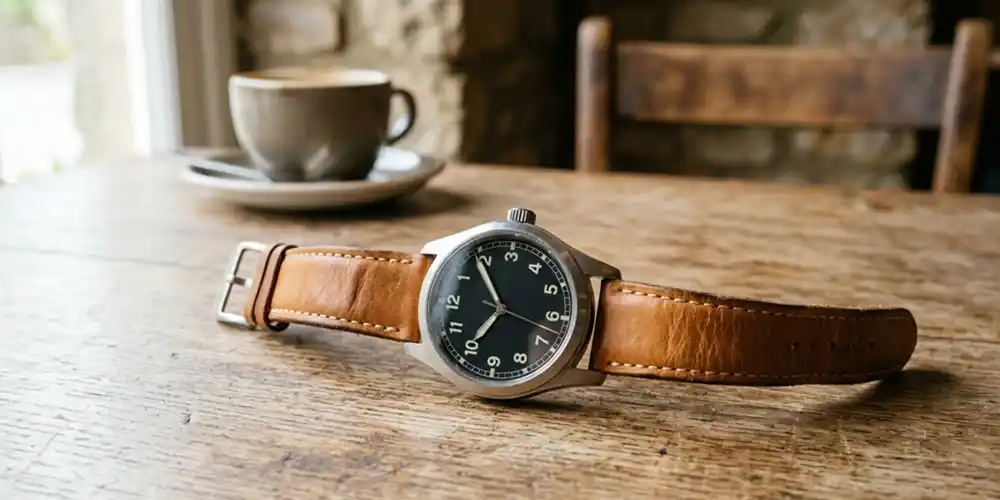
The silhouette may remain largely unchanged. Certain colours may appear repeatedly. Favourite jackets, watches or footwear become recurring elements. What changes are the details. Keep repeating the things you genuinely like and over time, people start to recognise you by them.
“The real test of your clothes happens when you step away from the screen. It’s found in the friction of travel, a long day at the studio or those impromptu Sunday afternoons that turn into late nights.”
In a world filled with endless fashion advice, this can feel almost rebellious. Every day brings fresh predictions about what is supposedly finished and what is supposedly returning. The noise is constant. Yet most of it has little impact on how clothes perform in everyday life.
The real test of your clothes happens when you step away from the screen. It’s found in the friction of travel, a long day at the studio or those impromptu Sunday afternoons that turn into late nights. Clothes that perform well in those moments tend to remain relevant regardless of what is happening elsewhere.

Personal style is not about rejecting fashion. It is about using fashion selectively. Trends can offer inspiration, introduce new shapes or encourage experimentation. The key is ensuring they complement your identity rather than replace it.
Dressing to impress strangers online is like running a marathon where the finish line keeps moving. It’s far calmer once you know what suits you and you stop dressing for everyone else.
“Build it slowly, get the fit right and ignore most of what you read.”
That is why building a strong wardrobe is rarely about buying more. It is about choosing better. Focus on fit. Prioritise versatility. Repeat what works. Refine rather than replace.
Most people’s wardrobes are a record of things they thought they wanted. Yours doesn’t have to be. Build it slowly, get the fit right and ignore most of what you read. Including, probably, this.
“As fashion becomes increasingly global, personal style is becoming one of the few remaining ways men can signal individuality without saying a word.”