The Everyday Bag: Choosing Form Over Function
A man can change his shoes, swap his jacket or leave his watch at home, but the bag he carries often stays by his side from morning until night. It moves with him through train stations, cafés, offices and city streets, quietly becoming part of the image he presents to the wo
It’s a small choice, but it carries more weight than you expect.
Long before someone notices the finer details of an outfit, they often register the bag slung over a shoulder or resting comfortably in a hand. People rarely notice a good bag at first. It tends to slip into the background until you realise it has been shaping the whole look.
More Than Just Practical
Yes, it holds your laptop, your gym kit and the fourteen other things you apparently can’t leave the house without. But function was never the whole point. The shape, material and the way it ages reveal far more than its contents ever could. It hints at routine, priorities and personality. Like a favourite jacket that has moulded itself to its owner, an everyday bag becomes an extension of the man carrying it.
Maybe that’s why choosing a bag can feel oddly personal. It’s a small choice, but it carries more weight than you expect. The decision is rarely based on storage alone. It’s just as much about how the bag fits into daily life and, perhaps more importantly, how it fits into someone’s sense of self.
Every Style Tells a Different Story
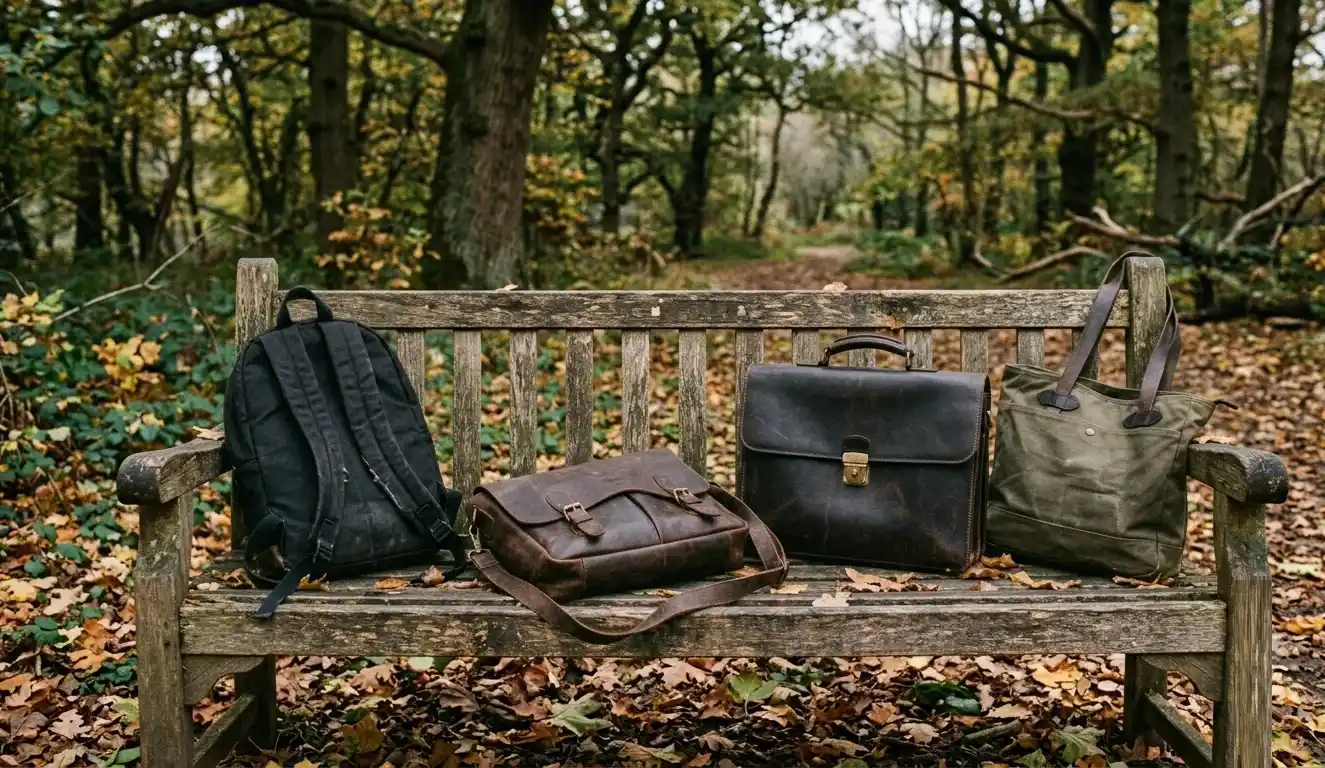
Backpacks often get a bad rap, but chucking one over your shoulder instantly gives off a practical, on-the-move vibe. It’s ideal for the bloke who actually walks three kilometres to the office instead of squeezing onto the metro. Modern backpacks have long outgrown their student reputation. When paired with clean tailoring or relaxed casualwear, they introduce a practical confidence that feels contemporary rather than overly formal.
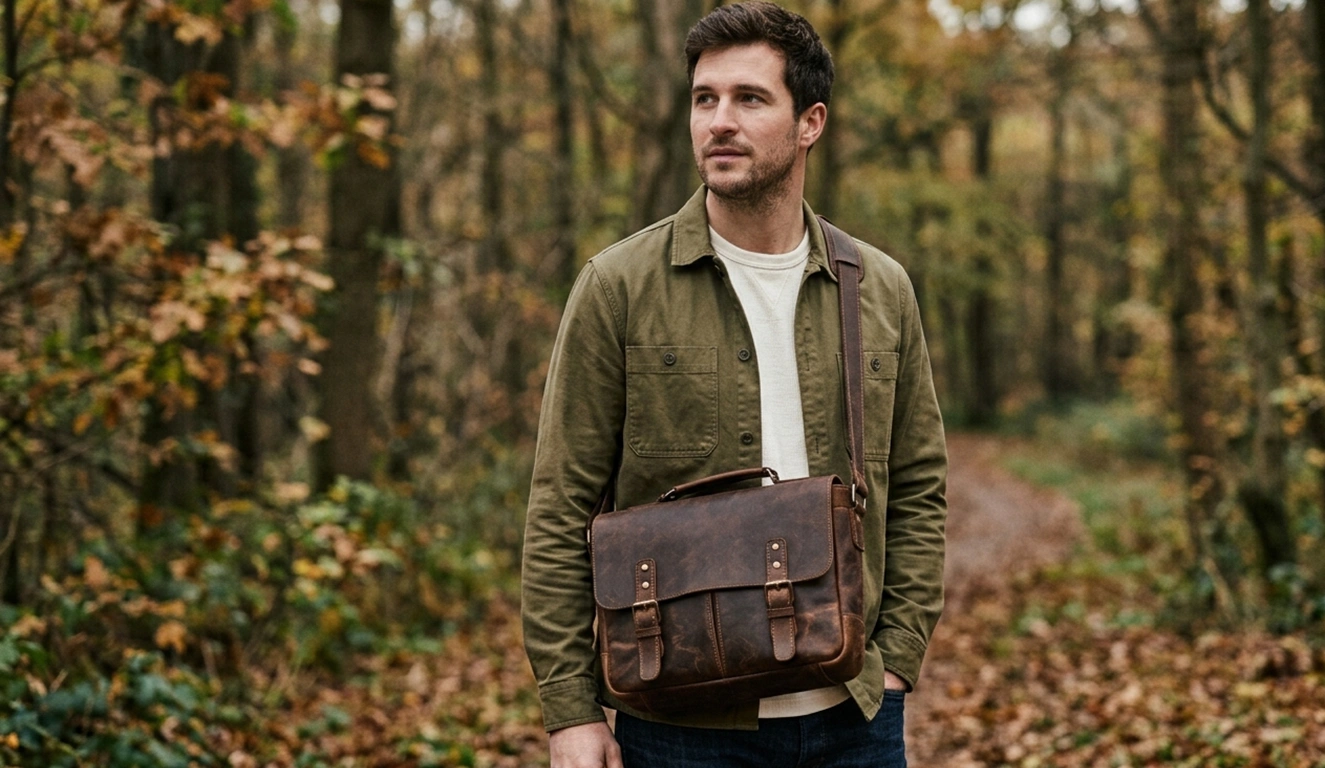
A messenger bag reads differently. When slung across the body, it looks more deliberate, the sort of thing you associate with people who cycle to work and care where their pens live. It recalls creative professions, urban commuting and an appreciation for design that balances utility with character. There is something quietly relaxed about a messenger bag, making it equally at home with an overshirt and chinos as it is alongside a lightweight blazer. It suggests someone who values organisation without appearing overly structured.
“Rather than projecting authority, it conveys confidence through simplicity, allowing the rest of an outfit to breathe.”
Tote bags are about as basic as design gets, yet somehow they look dead stylish. You simply drop your gear in and go, giving off a relaxed, unbothered impression. A tote bag complements men who prefer understated style over obvious statements. It slips naturally into everyday wardrobes filled with knitwear, relaxed tailoring, denim and minimalist trainers. Rather than projecting authority, it conveys confidence through simplicity, allowing the rest of an outfit to breathe.
The briefcase occupies its own space entirely. It remains associated with professionalism, but today’s interpretation feels less rigid than in decades past. A well-proportioned briefcase brings structure to an outfit without making it appear severe. It suits environments where polish matters, yet it also works surprisingly well when paired with more relaxed clothing, creating an appealing contrast between refinement and informality. The briefcase continues to communicate purpose, though it no longer belongs exclusively to boardrooms.
The Details That Make the Difference
While each style creates a different impression, none exists in isolation. The relationship between a bag and an outfit depends on balance. A compact bag paired with oversized clothing can disappear visually, while an oversized holdall may overwhelm a streamlined look. The most successful combinations feel harmonious, with proportions that naturally complement the silhouette rather than compete with it.
Material really does shift the whole mood. Box-calf leather has that crisp, polished feel, while canvas looks as though it has been through a few wet mornings and come out better for it. Canvas wears its age well, picking up scuffs that add character over time. Suede softens an outfit with its tactile surface, while technical fabrics introduce a modern edge without sacrificing sophistication. Swap smooth leather for battered canvas and the whole outfit shifts, even if nothing else about it has.
“A bag that has accompanied its owner for years develops softened handles, gentle creases and small marks earned through daily life.”
Colour matters too. Black is the safe, razor-sharp option that goes with everything, but dark brown adds a welcome bit of warmth. If you want something less severe, navy or charcoal will do the job without screaming for attention. Even lighter neutral tones can soften an otherwise dark outfit, creating contrast without demanding attention. Rather than matching every garment perfectly, the strongest combinations allow the bag to complement the overall palette with quiet confidence.
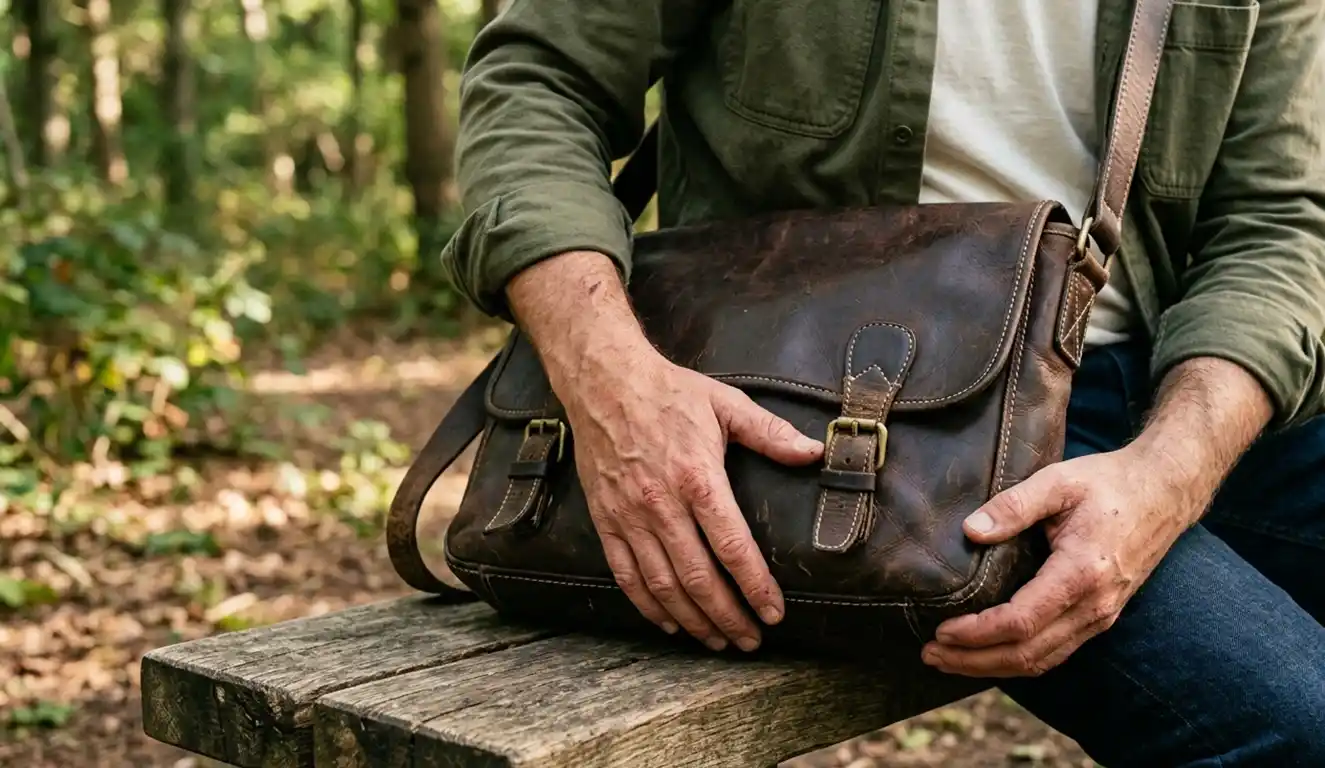
Then there is wear, an element impossible to manufacture convincingly. A bag that has accompanied its owner for years develops softened handles, gentle creases and small marks earned through daily life. These details rarely diminish its appeal. If anything, they add personality. They suggest journeys taken, routines established and experiences collected along the way. Unlike fast-changing fashion pieces, an everyday bag often becomes more attractive as it grows older.
A Reflection of the Man Carrying It
This emotional connection explains why many men choose a bag on instinct rather than by working through a checklist. Of course, it needs enough space for daily essentials, but practicality alone seldom creates attachment. Instead, it’s often the feeling a bag creates when carried. Some inspire confidence. Others bring a sense of calm, creativity or quiet sophistication. The right bag simply feels like it belongs, making every journey through the day feel slightly more complete.
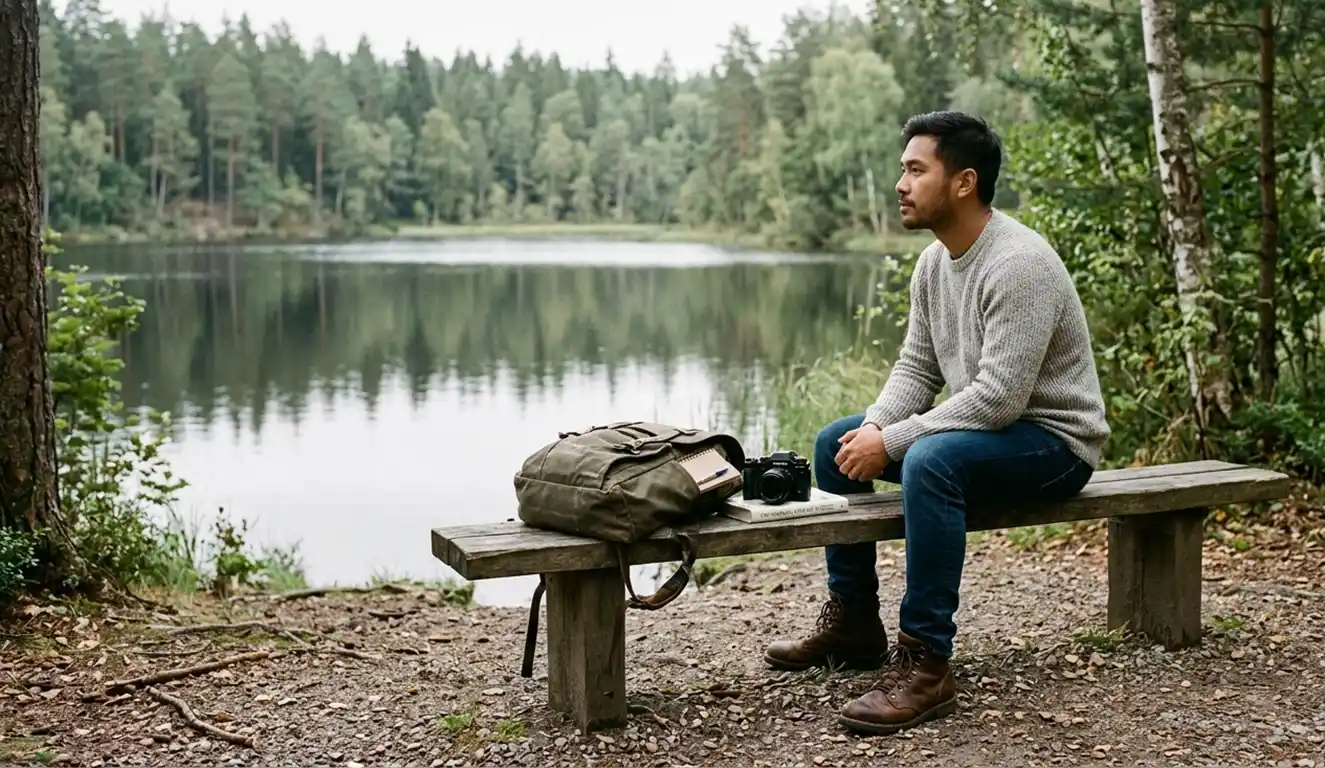
That choice also reflects personal habits. A neatly organised briefcase might belong to someone who enjoys structure and routine. Meanwhile, a well-worn canvas tote bag could suggest spontaneity and flexibility. Fill a backpack with cameras, books or notebooks and it hints at curiosity and constant movement. None of this holds as a rule. Still, it’s odd how quickly a bag stops being something you own and becomes something people expect of you. The objects we carry inevitably say something about the lives we lead.
Related Article · StyleThe Case for Carrying a Notebook in a Digital WorldIn a digital world built for distraction, the handwritten notebook remains a surprisingly effective tool for focus, reflection and clear thinking.→Perhaps that is why an everyday bag can transform even the simplest clothing. A plain white T-shirt, dark jeans and clean trainers become noticeably more considered when accompanied by a beautifully proportioned leather messenger bag or an elegant canvas tote bag. The outfit itself has not changed dramatically, yet the overall impression becomes richer and more complete. The bag provides the finishing detail that quietly brings everything together.
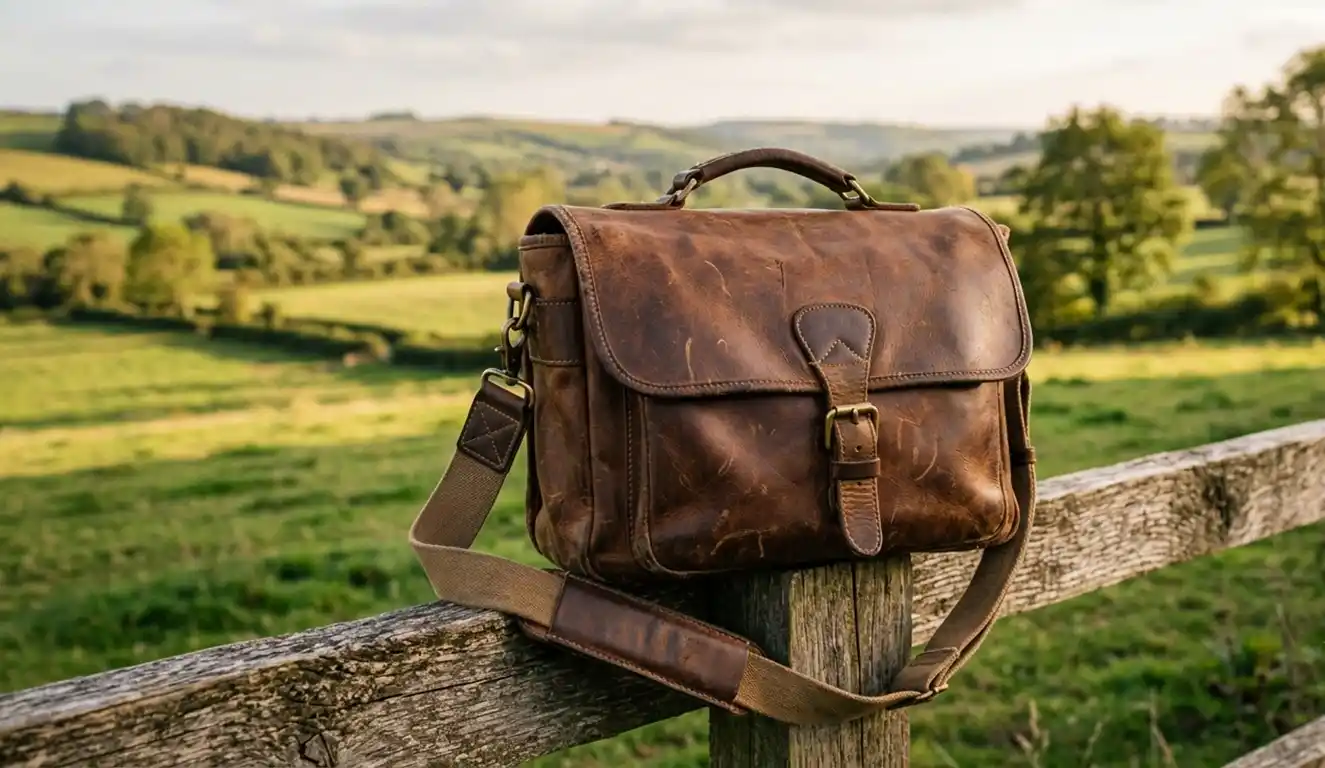
Unlike louder expressions of fashion, an everyday bag rarely seeks attention for its own sake. Its power comes from how often you reach for it. Day after day, it tags along through the usual routine until you barely notice how much it has become part of you. Over time, friends and colleagues may even struggle to imagine that person carrying anything else.
At the end of the day, a bag isn’t just a container for your clutter. You end up attached to it precisely because it picks up the bumps, spills and general chaos of your routine. Its form, texture and character become woven into the way a man presents himself to the world. Long after practicality has done its job, the bag remains one of the defining details of personal style, quietly proving that what we carry often says just as much as what we wear.
“The most memorable accessories rarely demand attention. Instead, they quietly become so closely associated with their owner that, over time, separating one from the other feels almost impossible.”