Why Fabric Matters More Than the Label
Walk into any room and nobody notices the label stitched inside your jacket. They notice the way the cloth catches the light, the way it sits across your shoulders and the confidence it gives to your posture. Before anyone wonders where a garment came from, they have already formed an impression based on how it looks and moves.
You only really notice bad fabric when you are miserable in it.
We tend to forget that simple fact when surrounded by loud logos. Stripped back, good clothes have always lived or died by their cloth.
More Than a Name
You spend the whole day wrapped in fabric, not branding. It’s what makes a shirt feel sharp at breakfast or slightly rumpled by lunchtime, whether a coat hangs off the shoulders or fights them, whether an old jumper still pulls you back after five winters. Nothing else in the garment does that much work. A label tells you who cut the thing. The cloth tells you how it’ll behave once it’s yours, which is the part you actually have to live with.
Menswear has never really hinged on the name stitched into the collar. What matters is whether the cloth can take a beating and still look right the next morning.
You only really notice bad fabric when you are miserable in it. Cheap cotton leaves you sticky by mid-afternoon, whereas proper wool handles temperature swings without fuss. Linen, cashmere and heavy flannel all bring their own qualities. These traits are built in at the mill, not tacked on at the factory.
The Way Fabric Shapes an Outfit
The difference becomes even clearer once a garment starts moving. Walking through a city street, climbing a flight of stairs or simply reaching for a coffee all reveal how fabric responds to the body. Some materials flow naturally with every step, while others hold their shape with reassuring structure. Neither approach is inherently better. Each creates its own personality and changes the way an outfit is experienced.
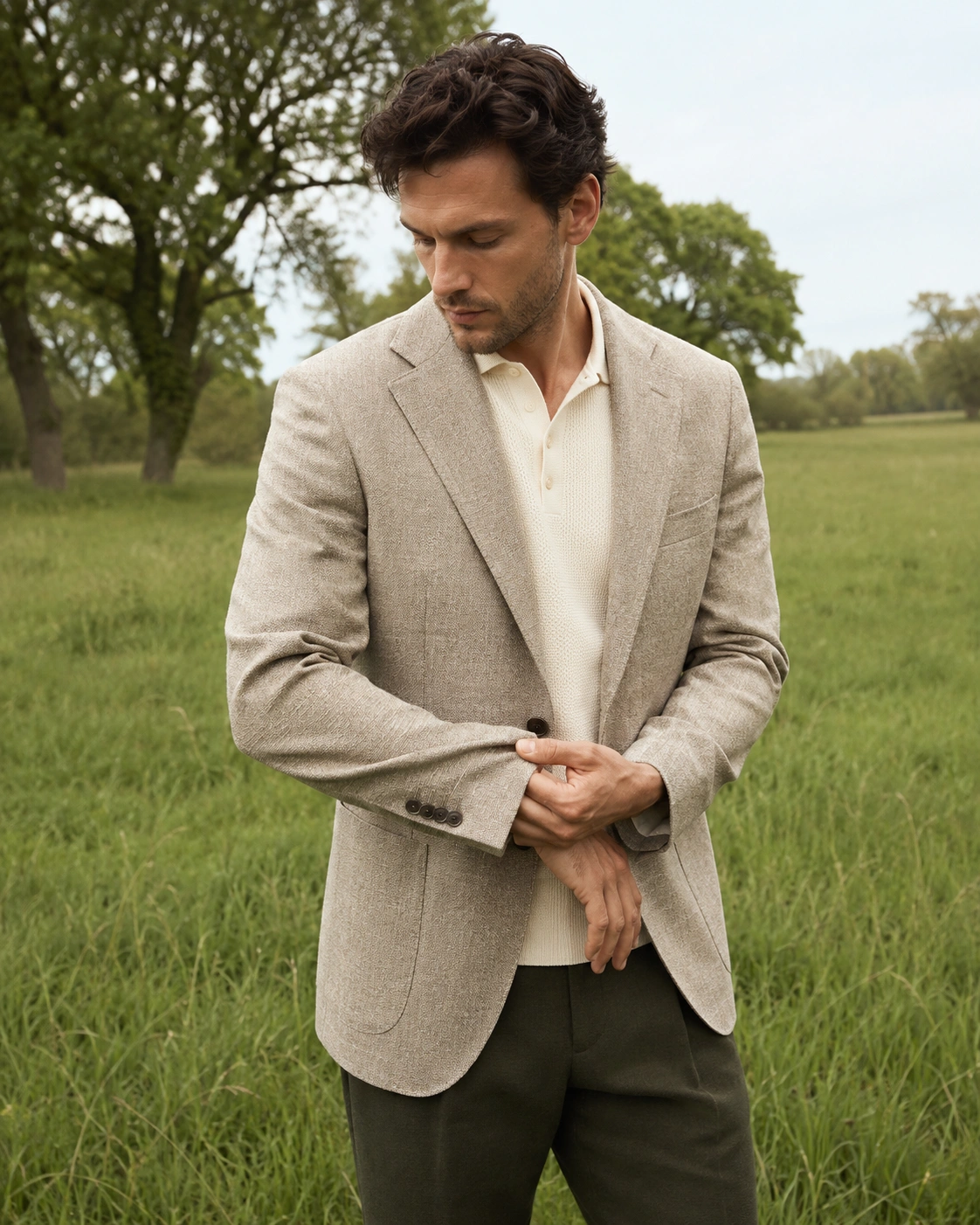
How cloth moves changes everything. A jacket with a soft drape moulds to your frame rather than boxing you in. Trousers made from cloth with enough weight fall cleanly from the waist, creating an elegant silhouette without appearing rigid. Even a plain white shirt can feel completely different depending on how its fabric hangs across the shoulders and sleeves. People often credit tailoring for the whole silhouette, but cloth quietly shapes just as much of it.
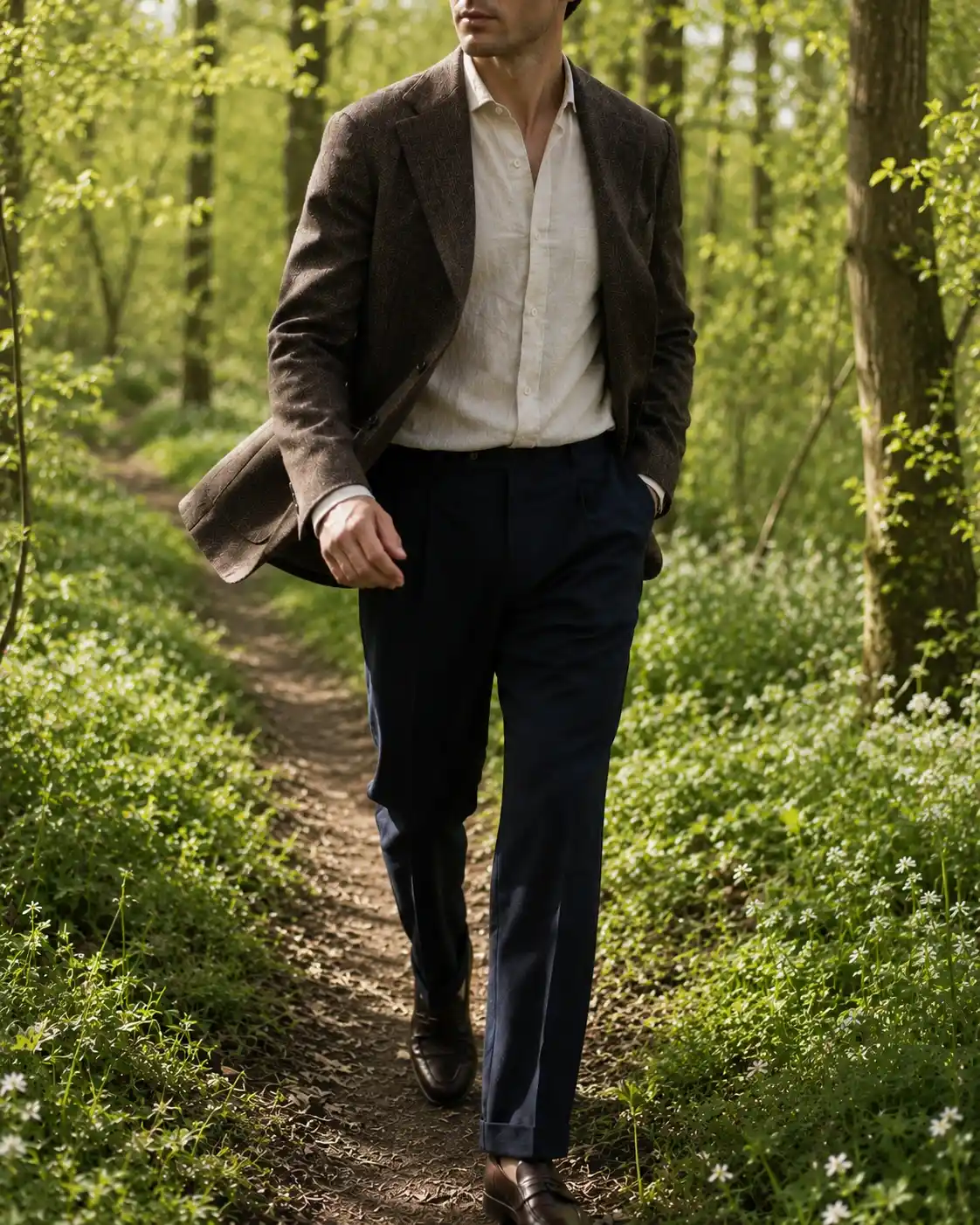
Colour might catch your eye first, but texture is what makes you linger. Flannel absorbs light, while poplin reflects it sharply. Linen is the interesting one: crush it and it throws these small, restless shadows that a smooth cloth never will. Wool and knitwear do their own quieter thing, with depth coming from the fibre and the stitch rather than the surface. These differences turn simple clothing into something remarkable.
A wardrobe built around neutral colours doesn’t need loud prints or bold graphics to feel interesting. Texture creates variety without disturbing balance. An outfit made entirely in shades of navy, grey or beige becomes far more expressive when different fabrics interact with one another. The contrast between soft wool, crisp cotton and lightly textured linen creates visual depth that feels understated rather than decorative. It’s one of the quiet pleasures of dressing well. The closer someone looks, the more they discover.
Built to Age Well
Another quality that separates exceptional fabric from ordinary cloth only reveals itself over time. Many garments look impressive when they are new. Far fewer continue to improve after dozens of wears.
Good cloth ages into something better. Cheap cloth rarely improves. Cotton goes soft but keeps its backbone. Linen settles naturally into its creases and honestly looks better for it. Wool holds its shape for years while quietly getting more comfortable, until one winter you realise it’s the coat you reach for without thinking. These changes are not flaws. They are signs that the material is adapting to its owner rather than wearing out. This quiet evolution creates attachment.
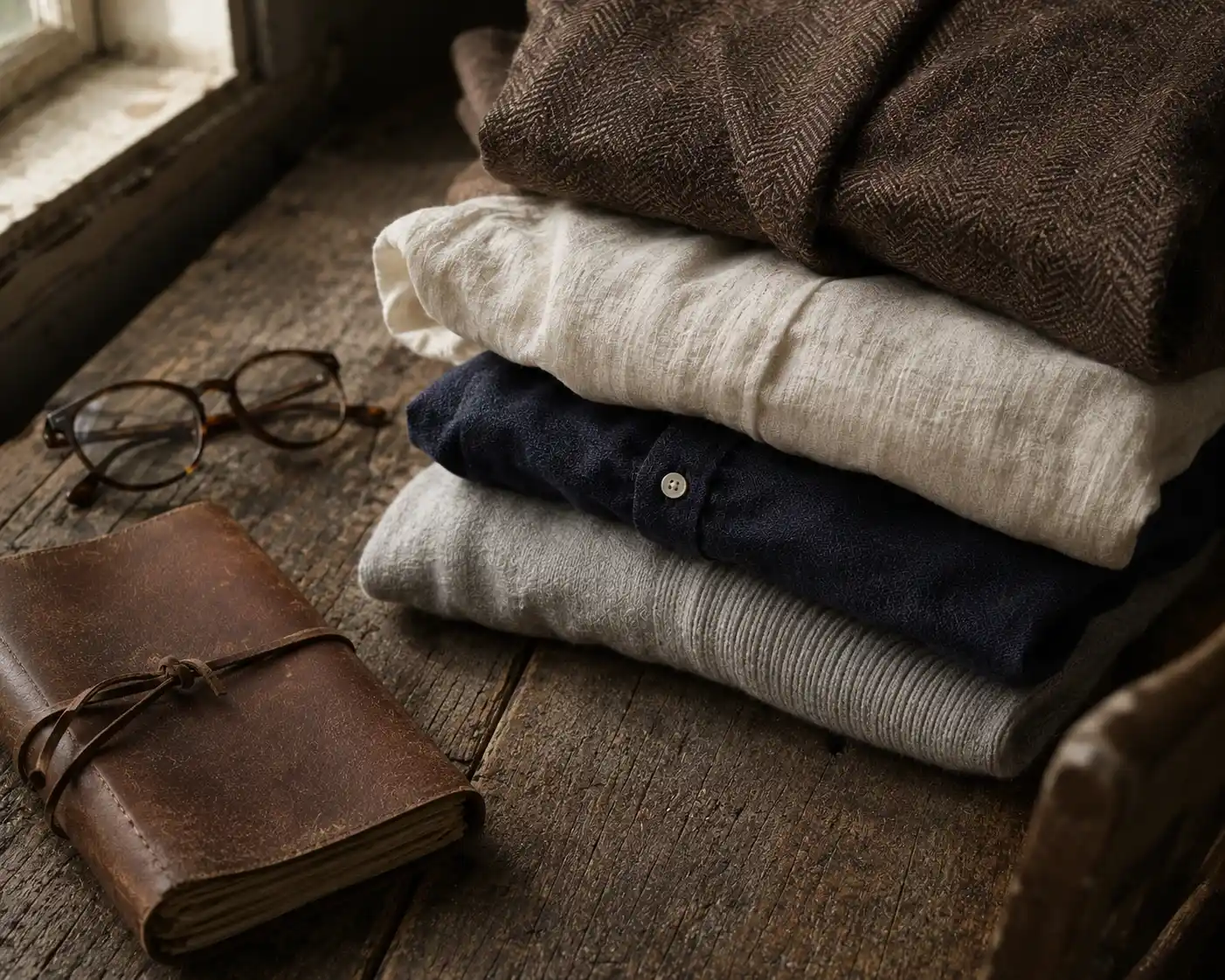
People rarely remember every garment they have owned, but they remember the coat that always felt right on cold mornings or the shirt that somehow became more comfortable every year. These favourites are often defined not by their design but by the pleasure of wearing them again and again.
Durability is equally tied to the quality of the cloth. Strong fibres, careful weaving and thoughtful finishing all contribute to clothing that withstands repeated wear and washing with dignity. You will not notice much on day one. Give it eighteen months, though, and while one coat sags and pills, the other still looks immaculate.
“What matters is not whether a fabric comes from a single fibre or several working together, but whether the finished cloth performs with consistency and integrity.”
Every decision made during the creation of a fabric influences the finished garment. It comes down to unglamorous decisions: which fibres go in, how tightly they’re woven and how hard the finishing is pushed. You won’t notice it at first, but six months in, you’ll feel every detail. These details remain largely invisible, yet they affect every experience the wearer has.
People love to sneer at synthetics, yet the right blend can be surprisingly impressive. Mixing fibres can give you toughness without sacrificing comfort. What matters is not whether a fabric comes from a single fibre or several working together, but whether the finished cloth performs with consistency and integrity.
Learning to Feel the Difference
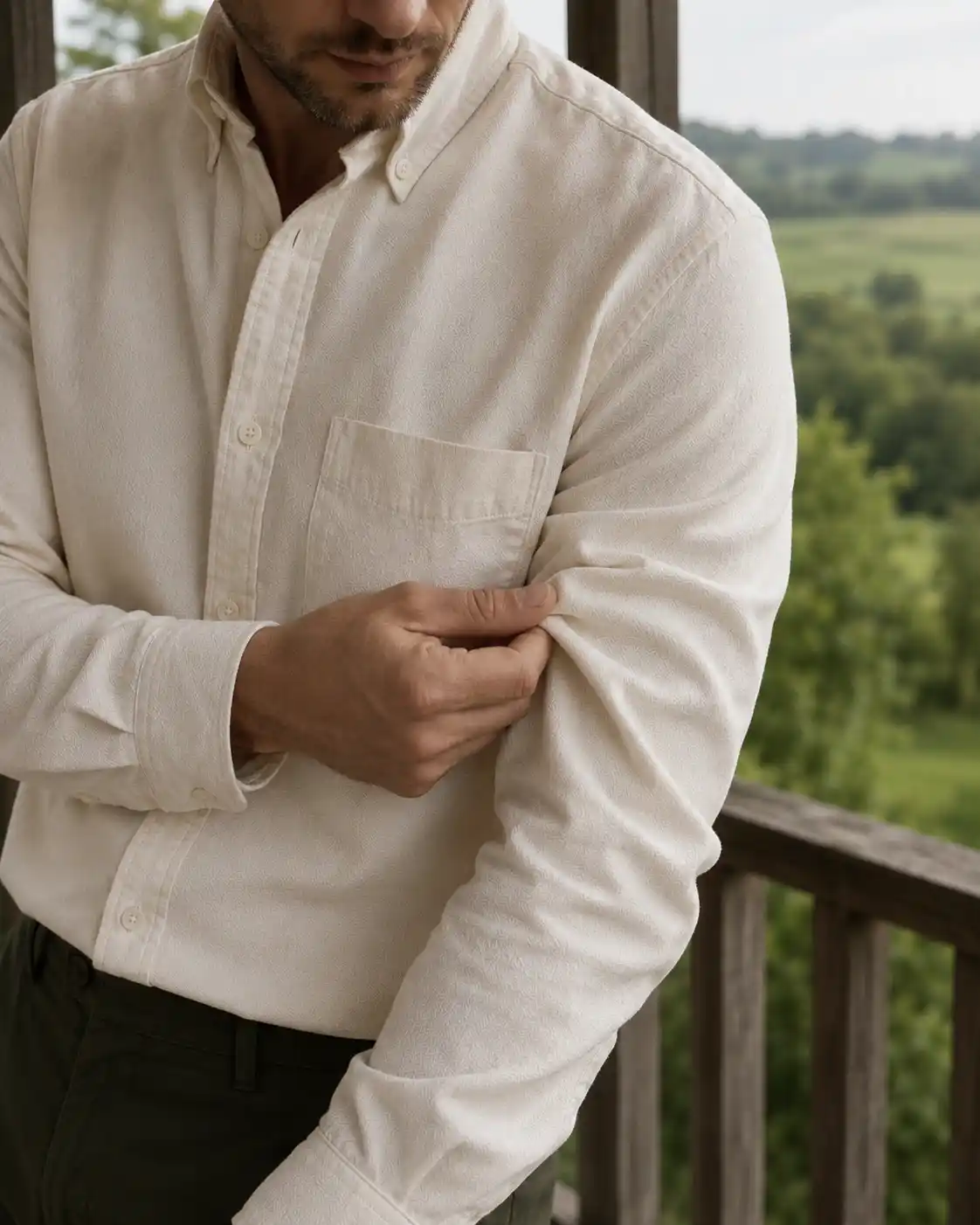
Once you start paying attention to cloth, you handle clothes differently. You pinch the hem, checking if it has body without feeling heavy. You give it a shake and watch how it moves. Mostly you’re asking one question: will this still be worth wearing in three years, or is it built for one summer and the charity shop? These questions shift attention away from reputation and towards experience.
Gradually, attention shifts away from logos and towards cloth. True quality is obvious the moment you slip your arms into a jacket, no tag required.
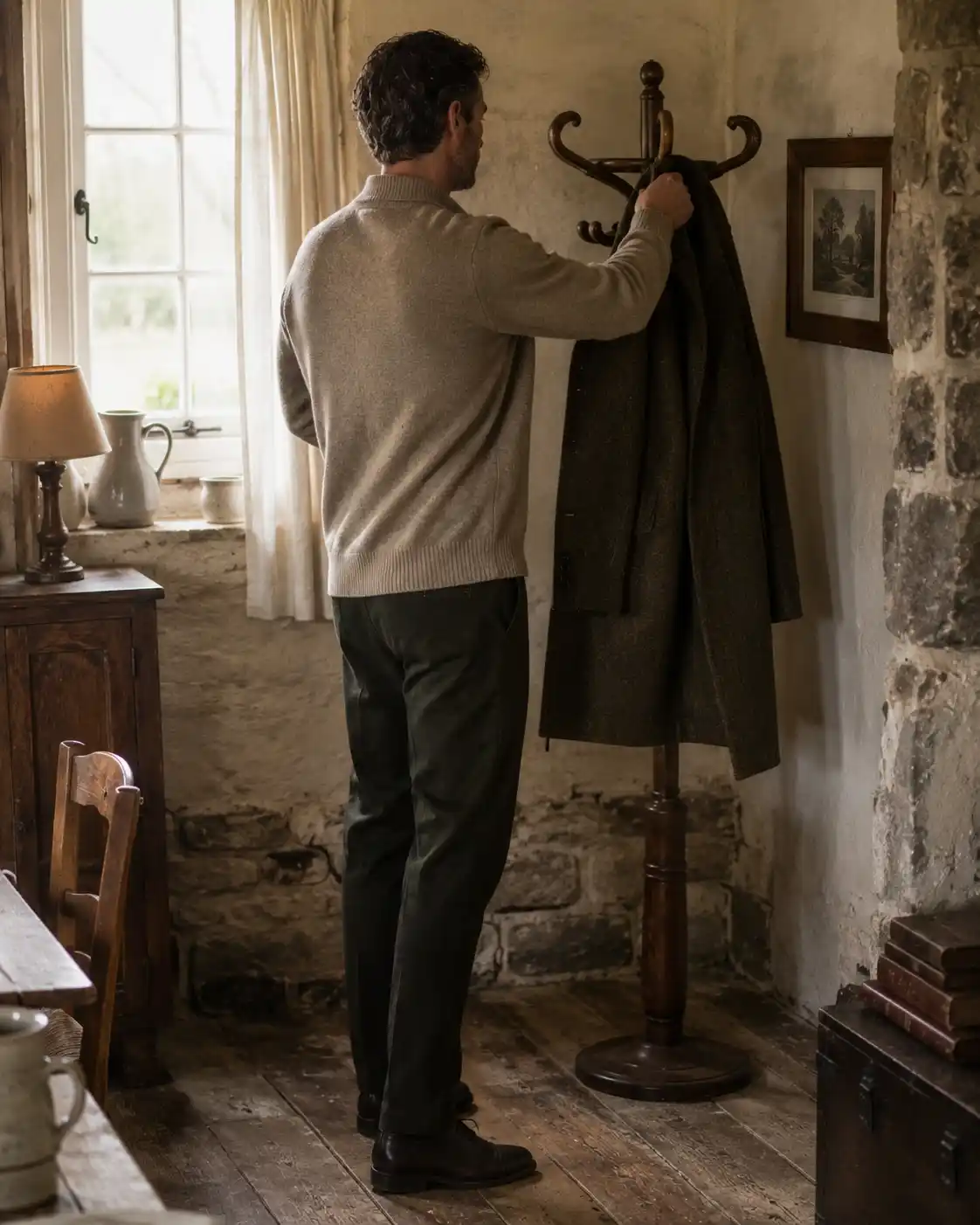
After the thrill of a new purchase fades, the branding fades with it. All you care about is that your favourite cotton shirt is still soft after fifty washes or that your wool coat still sits right.
The label stops meaning anything within a month. The cloth is still there every single time you put the thing on, doing its job or not. That’s the whole point, and it’s why anyone who’s worn clothes long enough stops reading the tag and starts feeling the sleeve.
“Quiet confidence rarely comes from the loudest garment in the room. More often, it comes from clothing that asks for nothing yet continues to reward its wearer long after the excitement of buying it has disappeared.”