More Than a Shave: Conversations with a Barber in Bali
Every neighbourhood in Bali has them. The people who quietly become part of the rhythm of daily life. The coffee seller who remembers your order before you speak. The security guard who greets you with the same nod every morning, rain or shine. The barber who knows exactly how you like your beard shaved and never has to ask twice.
Yet the shave is only part of the experience.
Those familiar faces can be easy to overlook in a place like Kuta, where visitors arrive and disappear with the tides. The crowds move fast. The shops and restaurants cycle through owners. Even some of the streets seem to change personality from one season to the next. Yet for the past three years, one barber has become a fixed point in my own life here. A constant in a place that rarely stands still.
This shop is modern, bright and air-conditioned, a welcome contrast to the tropical heat outside. Tucked away on the narrow Jalan Poppies 2, one of Kuta’s busiest shopping streets, it feels surprisingly removed from the noise and movement beyond its door. The walls are clean, the mirrors large, the equipment arranged with quiet care. Most afternoons, customers drift in looking for a haircut, beard trim or traditional shave. Most stay for less than an hour before disappearing back into the crowds. The barber, meanwhile, remains in the same place, greeting each customer with the same calm professionalism, as though the world outside simply can’t touch him.
“The familiar routines of daily life often tell us more about where we belong than official documents or grand decisions ever could.”
It’s easy to assume that a barber’s work revolves around hair and grooming. Spend enough time in a barbershop, however, and you begin to realise the job involves much more than scissors, razors and styling products. A barber is often a listener, a storyteller and, occasionally, a source of advice that you didn’t know you needed. The chair becomes a place where conversations happen naturally, without effort or expectation.
When I first visited the shop, I was simply looking for a shave. Three years later, I still return to the same chair.
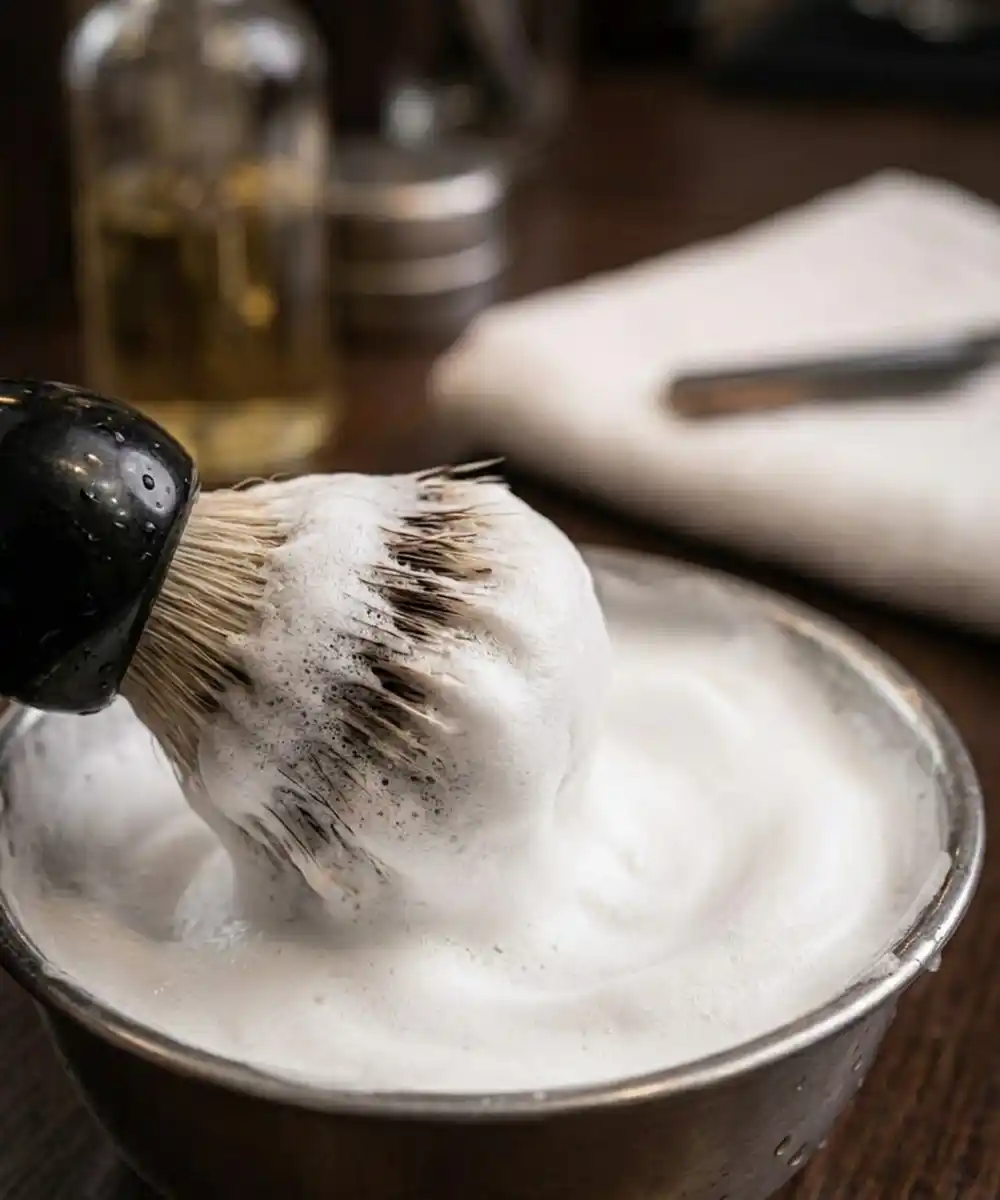
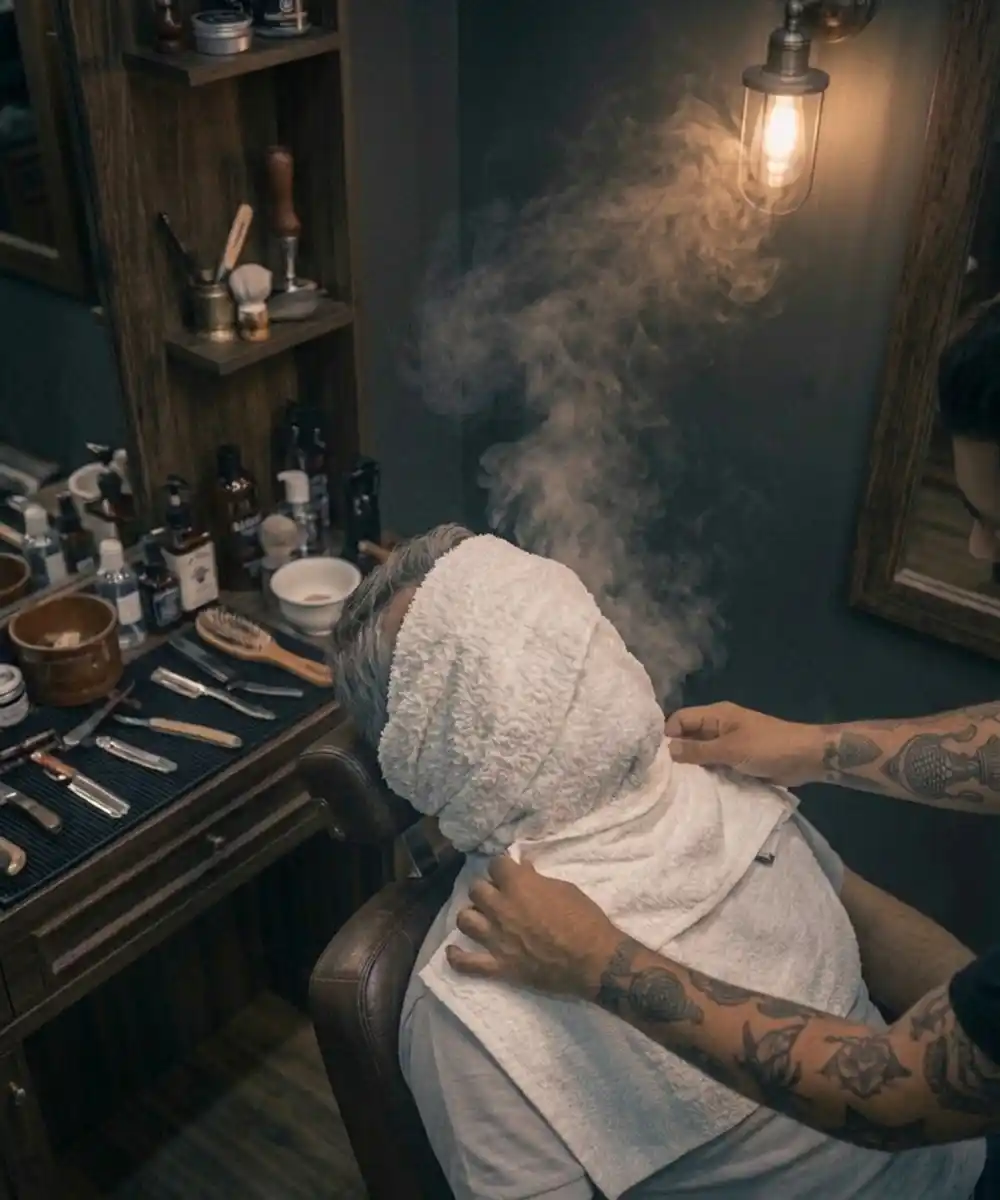
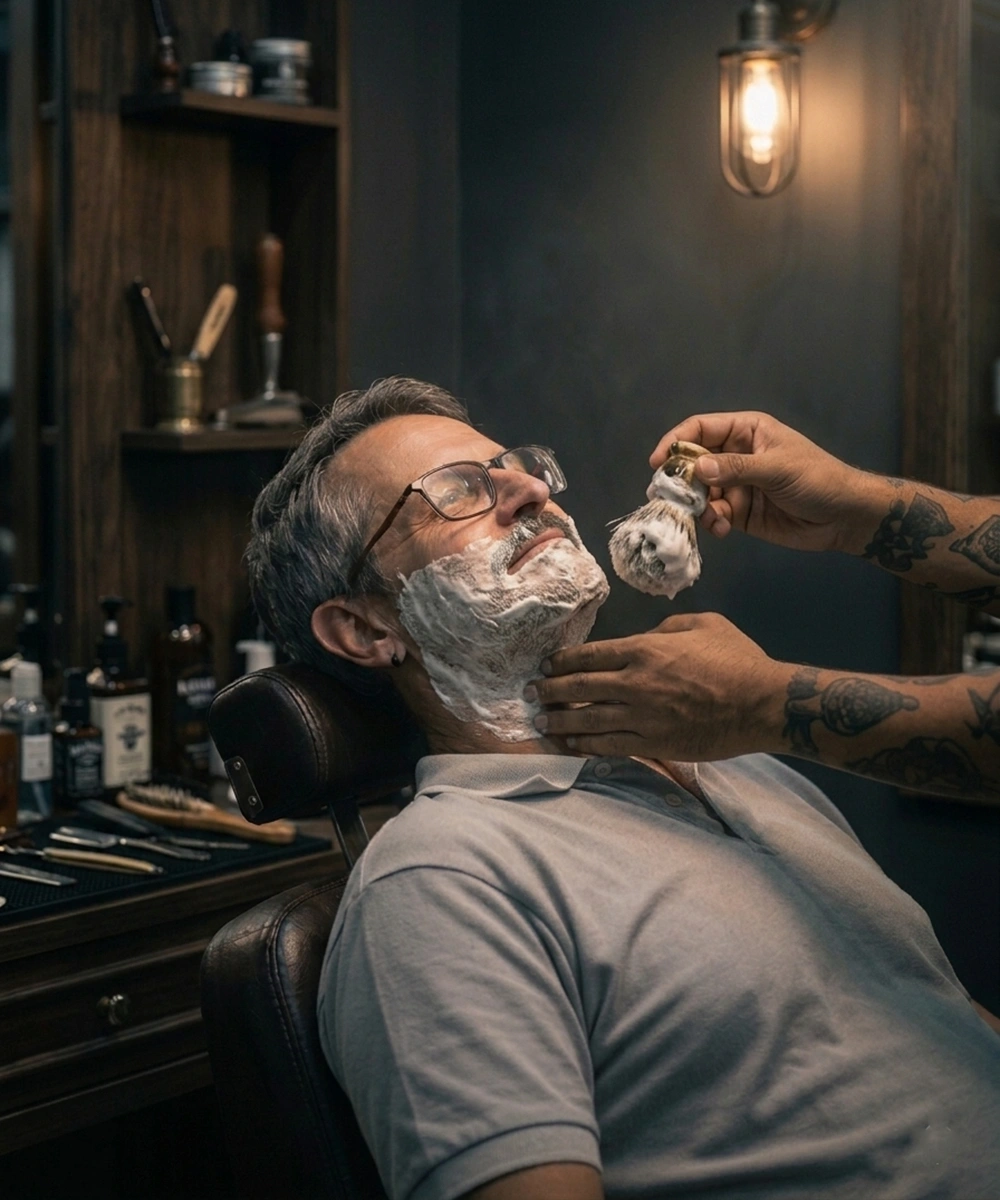
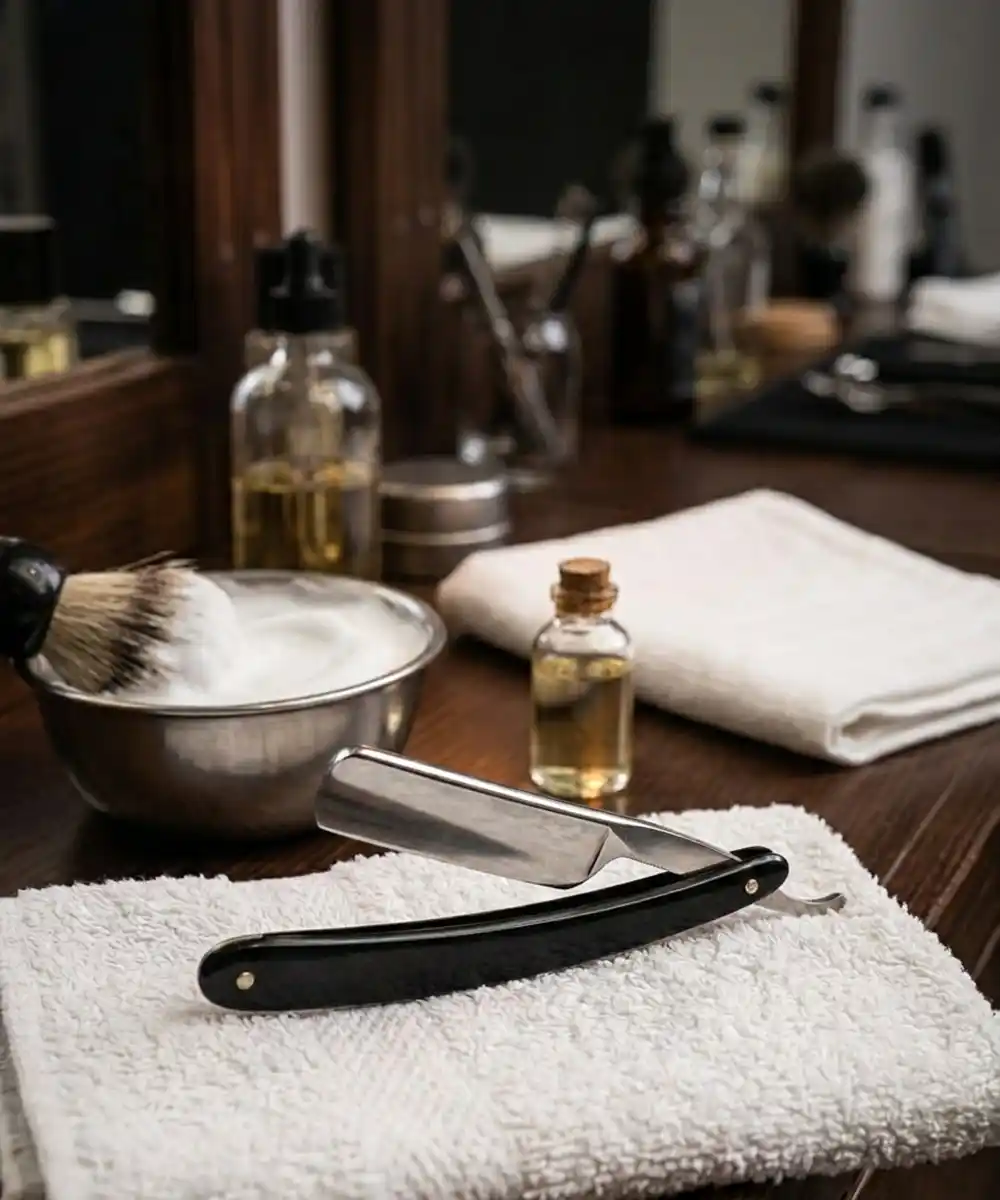
Part of that loyalty comes from the quality of the shave itself. Traditional straight-razor shaves have become increasingly rare in many parts of the world. They require patience, concentration and confidence. There’s no rushing the process. A hot towel is laid across the face first, softening the beard and preparing the skin for the razor. Shaving cream is applied with slow, deliberate strokes. Then the razor follows, guided by steady hands and an almost meditative focus. Every step feels considered. Every pass of the blade is intentional.
You become aware, during a straight-razor shave, of how much trust the experience requires. You are sitting perfectly still while another person holds a sharp blade against your face. In the most literal sense, it’s an act of faith. And faith, like most things worth having, is built slowly.
“He remembers not just how you like your shave, but what you mentioned last time. A trip you were planning. Something you were worried about.”
Yet the shave is only part of the experience. As with many barbershops around the world, conversation plays an equally important role. The topics are rarely extraordinary. Work, daily routines, the weather and whatever else happens to come up. Some customers prefer silence, closing their eyes and simply letting the experience wash over them. The barber reads the difference without being told.
With me, conversation came naturally from the beginning. One afternoon, while preparing the hot towel, he asked how long I had been in Bali because he noticed I could speak Indonesian.
“Long enough to stop counting,” I replied.
He laughed, a warm sound that seemed entirely at ease with the world. “Then Bali has become home.”
It was a simple observation, but there was real truth in it. The familiar routines of daily life often tell us more about where we belong than official documents or grand decisions ever could. The places we return to, the people we continue to seek out, the small rituals we preserve without quite realising we are doing so. These things gradually become part of our story whether we plan it that way or not.
“The relationship between barber and customer is built gradually, visit after visit, through consistency and small acts of care. It does not announce itself. It simply accumulates.”
Another time, I arrived at the shop in a noticeably poor mood. One of those days where everything seems to be working against you. The kind of low-grade frustration that sits behind your eyes and colours everything grey. He noticed immediately. Good barbers often do.
“Bad day?” he asked, positioning the hot towel.
“Complicated week,” I said.
He nodded slowly, taking his time before responding. That is one of his qualities. He does not rush to fill silence.
“You know what I think?” he said eventually, reaching for the shaving cream. “Sometimes things only seem complicated because we’re trying to solve them too quickly.”
I sat with that for a moment. “That’s either very wise or very annoying,” I told him.
He grinned into the mirror. “Maybe both.”
The most unexpected detail about this particular barber, however, only emerges when the shaving cream has been applied and the razor is about to make its first pass. That is usually when the music starts.
“A barber has decided that a traditional straight-razor shave is best accompanied by one of Germany’s most famous industrial metal bands.”
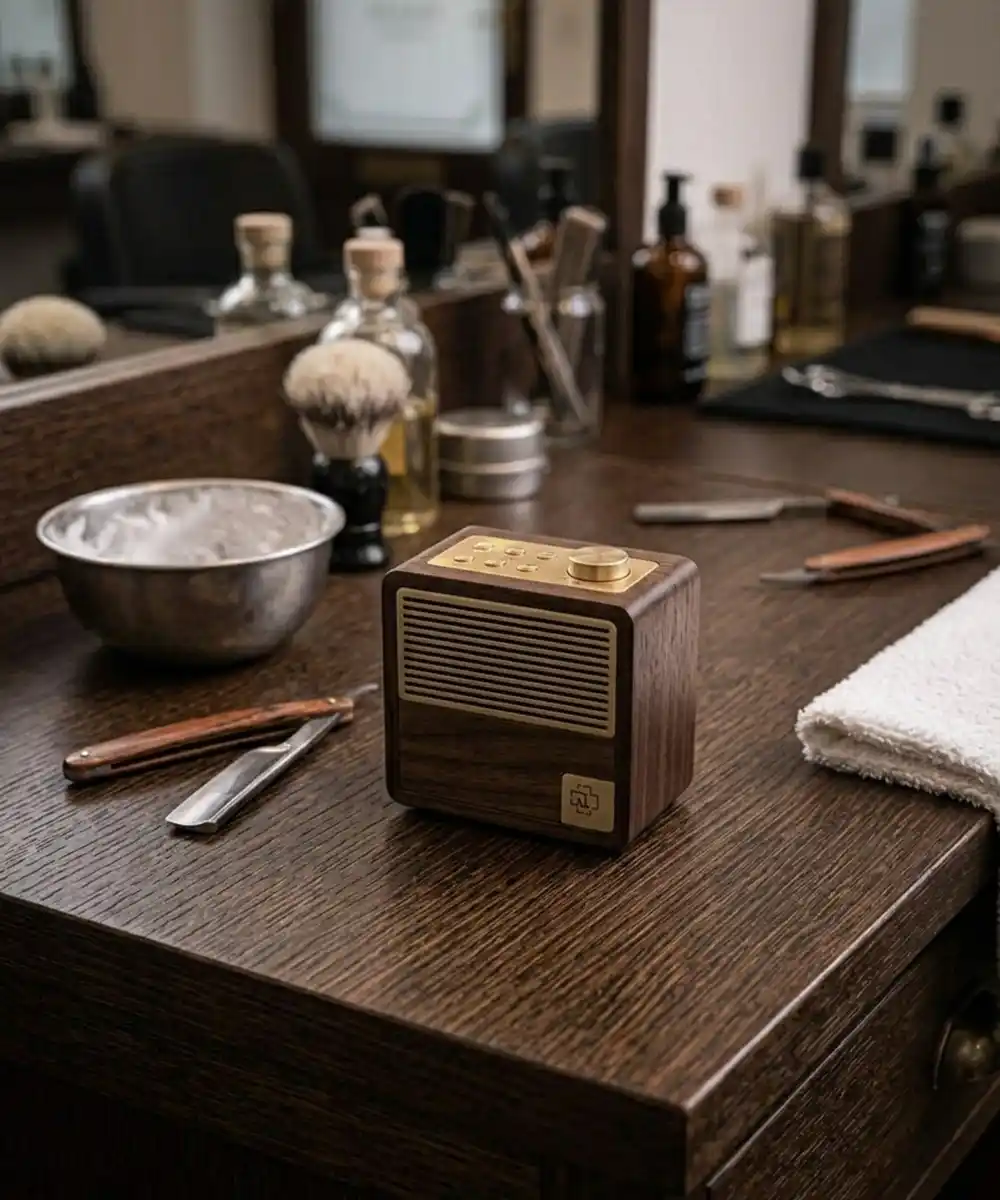
Not jazz. Not traditional Indonesian gamelan drifting in from somewhere down the street. Not the easy-listening playlists that seem to inhabit every spa and hotel lobby in the tropics. Rammstein.
The powerful, unmistakable guitar riffs of the German industrial metal band fill the room as the shave begins. The contrast never fails to make me smile. Somewhere in Kuta, in a bright, clean barbershop on a street lined with surf shops and smoothie bars, a barber has decided that a traditional straight-razor shave is best accompanied by one of Germany’s most famous industrial metal bands.
The first time I noticed it, I assumed it was a coincidence. The second time, I began to suspect it was a preference. By the third visit, it had become part of the ritual, as fixed and expected as the hot towel and the particular angle of the afternoon light through the front window.
I mentioned it one day, curious about the story behind it. He shrugged, but there was a pleased look on his face. The look of someone who enjoys being known for something unexpected.
“I heard them years ago,” he said, working the razor along my jaw with steady care. “I found them online. The energy.” He tapped his chest once, lightly. “It keeps my hands steady.”
I told him I had always wanted to see them live but never had the chance. He nodded, unsurprised, eyes focused on his work.
“Some things you save,” he said. “Makes them better.”
Music has a curious way of bridging distances that might otherwise seem impossible. Despite coming from different countries, different cultures and growing up on opposite sides of the world, we happened to share an unlikely appreciation for the same band. It’s a small detail, perhaps, but small details are often what give a place its character. They are the things you can’t plan for and can’t replicate.
As the years have passed, I have found myself paying more attention to who this man actually is. He arrives before his first customer and leaves after his last. He takes pride in his work in the quiet, unfussy way of someone who has long since made peace with what they do and why they do it. He remembers not just how you like your shave, but what you mentioned last time. A trip you were planning. Something you were worried about. He stores these small details without being asked and recalls them weeks later with no fanfare, as though it’s simply the natural way to treat another person.
He sees people at their most relaxed and sometimes at their most vulnerable. A traditional shave requires real trust. The relationship between barber and customer is built gradually, visit after visit, through consistency and small acts of care. It does not announce itself. It simply accumulates, like the quiet weight of any friendship that forms without either person quite deciding to let it. Perhaps that is why good barbers are remembered long after the chair has been left behind.
“Not even because the shave is exceptionally good, though it is. But because they have found a person who pays attention.”
When my shave is finished, a cold towel completes the process. The contrast with the heat of the towel that opened the session is striking every time. A small, sharp pleasure that somehow still surprises me after all these visits. I look in the mirror. The result is excellent, as it always is. He removes the towel from around my neck with a practised flick and asks the same question he has asked many times before.
“Everything good?” My answer is always the same.
Outside, Kuta continues at its usual pace. Motorbikes move through the narrow streets with the fluid confidence of long habit. Travellers stand at corners studying their phones. The whole place hums with the particular energy of somewhere that never quite switches off.
Inside the barbershop, however, there remains a small sense of calm. A familiar conversation. A familiar face. A familiar ritual. Rammstein on the speakers and a razor that moves without hurry.
In the end, that may be the real reason people keep returning to the same barber. Not because they need a shave. Not even because the shave is exceptionally good, though it is. But because they have found a person who pays attention. Who notices when something is wrong. Who says the right thing at the right moment, or says nothing at all, and somehow gets that right too.
There are not many places left like that. When you find one, you return.
“A good barber does more than remember a face. He remembers the small details that most of the world forgets by the next day.”